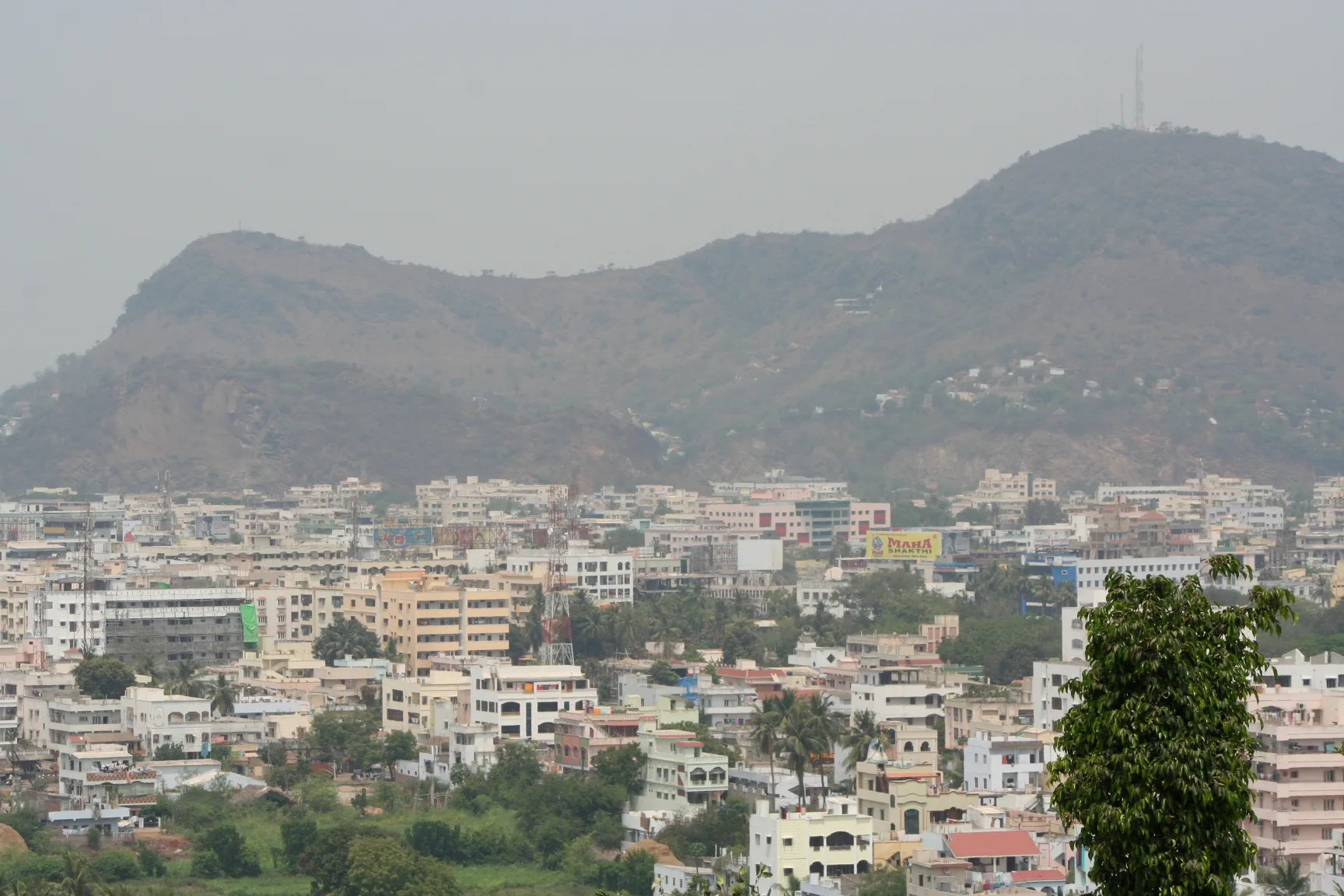
Vijayawada has a tropical climate with a hot pre-monsoon period, monsoon rain and a milder winter. Exact temperatures and rainfall vary year to year; we describe patterns rather than pretending to predict your week.
The quick answer
For sightseeing, choose late October to February. The air is less oppressive, evenings are pleasant and the temple and riverfront are easier to enjoy. December and January are popular, so book accommodation early if you are travelling around New Year or Sankranti.
If you are coming specifically for Dasara, expect crowds, higher demand and a very different city. That can be the point of the trip — just plan transport and darshan around the festival schedule.
The seasons, honestly
| Period | Conditions | Upside | Watch out for |
|---|---|---|---|
| March–June | Hot and humid; heat builds through the day | Quieter hotels, early-morning light | Dehydration, heat exhaustion, uncomfortable afternoons |
| June–September | Southwest monsoon; humid with frequent rain | Green landscapes, dramatic skies, fewer crowds | Wet roads, disrupted outdoor plans, mosquitoes |
| October–December | Northeast monsoon transitioning to cooler, drier days | Comfortable temperatures, festival season | Rain early in the window; festival crowds |
| January–February | Milder days and cooler evenings | Best all-round conditions for city sightseeing | Peak-season demand around holidays |
These are seasonal patterns, not forecasts. Check a reliable weather service for your dates.
The city receives rain from both the southwest and northeast monsoons. That means “monsoon” is not a single clean block, and a wet September does not guarantee a dry November. Build flexibility into outdoor plans.
Festivals and crowds
Dasara, also called Sharannavaratri, is the biggest event in the city’s calendar and centres on Kanaka Durga Temple. The temple and surrounding roads are extremely busy, and special darshan arrangements apply. If you want a quiet visit, choose a non-festival weekday instead.
Sankranti in January and Ugadi in March or April are family festivals with their own food and traditions. Dates follow the lunar calendar and shift each year. Check the current year’s dates before booking around them.
Choosing your month
- January: comfortable and festive; good for the temple, riverfront and city walks.
- February: still pleasant; a strong month for sightseeing and day trips.
- March: warming up; start early and keep afternoons free.
- April–May: hot; plan indoor or early-morning activities and hydrate.
- June–August: monsoon; expect humidity and short, heavy showers. Keep a weather backup.
- September: still wet but transitioning; festival preparations begin.
- October: Dasara crowds and rain risk; culturally rich but busy.
- November: often a good balance of comfort and fewer crowds.
- December: cool and busy around the holidays; book ahead.
What to pack
- Light, breathable clothing in natural fibres.
- A scarf or shawl for temples and air-conditioned spaces.
- Comfortable walking shoes with grip for forts and uneven streets.
- Sun hat, sunglasses and high-factor sunscreen.
- A compact umbrella or rain jacket in monsoon months.
- Reusable water bottle and oral rehydration salts if you are sensitive to heat.
- Insect repellent for the wet season and evening outdoor time.
Adjusting your plan by season
| Season | Best time of day | Good choices |
|---|---|---|
| Summer | Early morning and after dusk | Temple at opening, indoor food stops, riverfront at sunset |
| Monsoon | Flexible; watch the radar | Heritage sites with indoor elements, food and market days, shorter outings |
| Winter | All day | Full sightseeing days, fort walks, longer riverfront time |
Use the travel budget calculator if you are weighing a longer trip in a cooler month, and the travel guide for arrival logistics.
Frequently asked questions
What is the best month to visit Vijayawada?
November to February is generally the most comfortable period, with lower humidity and pleasant evenings. October can be good but coincides with Dasara crowds and residual monsoon rain.
Is Vijayawada too hot in summer?
Afternoons can be very uncomfortable, but mornings and evenings are usable. If you travel between March and June, plan outdoor sights early, rest during the hottest hours and carry water.
Does it rain a lot in Vijayawada?
The city receives rain from both the southwest and northeast monsoons, with the wettest stretch generally June to November. Patterns vary, so check a current forecast rather than relying on seasonal averages.
When is Dasara in Vijayawada?
Dasara follows the lunar calendar and falls in September or October. Check the current year’s dates and the temple’s official festival arrangements before booking.
Sources and further reading
- Sri Durga Malleswara Swamy Varla Devasthanam — official website Temple administration; use for current darshan and seva information
- NTR District Administration — tourism Official district information
- OpenStreetMap Locations and coordinates, retrieved 25 Nov 2026